World University of Design Admission 2027: Courses, Eligibility and Application Process
World University of Design (WUD), located in Rajiv Gandhi Education City, Sonipat, Haryana, offers undergraduate and postgraduate programmes across design, fashion, architecture, visual arts, performing arts, business and technology. As a design university in India, WUD provides specialised courses that combine creative thinking, practical learning and emerging technologies. With applications open for the 2027–28 academic session, students can explore specialised courses that combine creative thinking, practical learning and emerging technologies. Admission to applicable programmes involves the World University of Design Aptitude Test (WUDAT), followed by further selection stages. This guide covers World University of Design admission 2027, including courses, eligibility criteria, entrance examinations, application procedures, important dates, fees and scholarships.
About World University of Design, Sonipat
World University of Design is a private university situated in Rajiv Gandhi Education City, Sonipat, Haryana. WUD states that all its degrees are UGC-approved and that it is a member of the Association of Indian Universities (AIU).
The university offers multidisciplinary education through its schools of Architecture, Design, Fashion, Communication, Visual Arts, Business and Performing Arts.
Its programmes incorporate studio-based learning, practical projects, industry engagement and AI-enabled learning. Students comparing institutions can also refer to this overview of the best design universities in India to understand the range of design education options available.
Courses Offered at World University of Design
WUD offers undergraduate and postgraduate programmes across creative and professional disciplines. Students exploring design courses after 12th can consider the following programmes listed for the 2027–28 academic session.
|
Course |
Degree level | Specialisation |
Duration |
|
B.Des |
Undergraduate | UX and Digital Product Design, Product Design, Transportation Design, Interior Architecture and Design, Fashion Design, Fashion Communication, Textile Design, Film and Video, Graphic Communication Design, Animation and Game Design |
4 years |
|
B.Arch |
Undergraduate | Architecture |
5 years |
|
BA (Hons.) |
Undergraduate | Built Environment and Habitat Studies |
3 years |
|
BVA |
Undergraduate | Creative Painting, Digital Drawing and Illustration |
4 years |
|
B.Tech |
Undergraduate | Computer Science and Design | 4 years |
| BBA | Undergraduate | Business Administration |
3 years |
|
BPA |
Undergraduate | Dance, Music and Theatre | 4 years |
| M.Des | Postgraduate | Communication Design, User Experience and Interaction Design, Game Design and Development, Transportation Design, Industrial Design, Interior and Retail Design, International Fashion Business, Fashion Design |
2 years |
|
MVA |
Postgraduate | Contemporary Art Practices, Art Education, Curation of Contemporary Art and Design | 2 years |
| MPA | Postgraduate | Dance, Music and Theatre |
2 years |
|
MBA |
Postgraduate | Business Administration with specialised majors | 2 years |
| Executive MBA | Postgraduate | Design Strategy and Management |
2 years |
Note: WUD lists a three-year exit option with a B.Sc. degree for its B.Des programmes.
Undergraduate Design Courses
WUD offers ten Bachelor of Design (B.Des) specialisations:
- Product Design
- Fashion Design
- Interior Architecture and Design
- Transportation Design
- UX and Digital Product Design
- Fashion Communication
- Textile Design
- Graphic Communication Design
- Animation and Game Design
- Film and Video
Students interested in developing skills in clothing, textiles, fashion concepts and visual storytelling can explore the programmes offered by a fashion design university in Delhi NCR. The choice of specialisation should depend on individual interests, creative strengths and preferred career direction.
Architecture and Visual Arts Courses
Students interested in architecture and artistic practice can explore:
- B.Arch: A five-year professional programme in architecture.
- BVA in Creative Painting: Focuses on painting and visual art.
- BVA in Digital Drawing and Illustration: Covers digital drawing and illustration.
Business, Technology and Performing Arts Courses
WUD also offers undergraduate programmes beyond conventional design disciplines:
- BBA: Business administration with specialised majors.
- B.Tech in Computer Science and Design: Combines computer science and design.
- BA (Hons.) in Built Environment and Habitat Studies: Focuses on the built environment.
- BPA: Specialisations in Dance, Music and Theatre.
Postgraduate Courses
WUD’s postgraduate offerings include:
Master of Design (M.Des)
- Communication Design
- User Experience and Interaction Design
- Game Design and Development
- Transportation Design
- Industrial Design
- Interior and Retail Design
- International Fashion Business
- Fashion Design
Master of Visual Arts (MVA)
- Contemporary Art Practices
- Art Education
- Curation of Contemporary Art and Design
Master of Performing Arts (MPA)
- Dance
- Music
- Theatre
Management Programmes
- MBA with specialised majors
- Executive MBA in Design Strategy and Management
WUD Admission 2027: Eligibility Criteria
The WUD eligibility criteria vary by programme. Most undergraduate courses require Class 12 qualification with at least 50% marks, while postgraduate applicants generally need a bachelor’s degree with the prescribed minimum percentage. Students preparing for undergraduate design admissions can refer to this B.Des admission guide for a broader understanding of the application and selection process.
|
Programme |
Educational qualification | Minimum marks |
Additional requirements |
| B.Des | Class 12 or equivalent | 50% | Aptitude Test and Interview; UCEED/NID/NIFT-qualified candidates preferred |
| B.Arch | Class 12 with PCM | 50% in PCM and overall | NATA/JEE Paper 2; CoA guidelines apply |
| BVA | Class 12 or equivalent | 50% | Art Aptitude Test and Interview |
| BBA | Class 12 or equivalent | 50% | General Aptitude Test and Interview |
| B.Tech | Class 12 in Science | 50% | Mathematics as a compulsory subject |
| BA (Hons.) | Class 12 or equivalent | 50% | Aptitude Test and Interview |
| BPA | Class 12 or equivalent | 50% | Aptitude Test and Interview |
| M.Des | Bachelor’s degree | 50% | PG Design Aptitude Test and Interview; NID/NIFT/CEED-qualified candidates preferred |
| MBA | Bachelor’s degree | 50% | PG General Aptitude Test and Interview |
| Executive MBA | Bachelor’s degree | 50% | Minimum two years’ work experience |
| MVA – Contemporary Art Practices | BFA/BVA | 50% | PG Art Aptitude Test and Interview |
| MVA – Art Education | BFA/BVA | 50% | PG Art Aptitude Test and Interview |
| MVA – Curation of Contemporary Art and Design | Bachelor’s degree | 50% | PG Art Aptitude Test and Interview |
| MPA | Bachelor’s degree | 50% | Aptitude Test and Interview |
Programme-specific and regulatory conditions may apply. Applicants should check the relevant WUD programme page before applying.
Eligibility for B.Des Programmes
Applicants need Class 12 or an equivalent qualification with at least 50% marks. Admission involves an aptitude test and interview. Candidates with recognised UCEED, NID or NIFT qualifications are preferred, as specified by WUD.
Eligibility for B.Arch
Applicants must secure at least 50% in Physics, Chemistry and Mathematics (PCM), along with 50% overall in Class 12. NATA or JEE Paper 2 scores are considered, subject to applicable Council of Architecture (CoA) guidelines.
Eligibility for Visual Arts Programmes
BVA applicants need Class 12 qualification with at least 50% marks, followed by an Art Aptitude Test and interview.
For postgraduate MVA programmes:
- Contemporary Art Practices and Art Education require a BFA/BVA with at least 50% marks.
- Curation of Contemporary Art and Design requires a bachelor’s degree with at least 50% marks.
Eligibility for Other Undergraduate Programmes
- BBA: Class 12 with at least 50% marks, followed by a General Aptitude Test and interview.
- B.Tech: Class 12 in Science with at least 50% marks and Mathematics as a compulsory subject.
- BA (Hons.): Class 12 with at least 50% marks, followed by an aptitude test and interview.
- BPA: Class 12 with at least 50% marks, followed by the relevant aptitude test and interview.
Eligibility for Postgraduate Programmes
- M.Des: Bachelor’s degree with at least 50% marks; PG Design Aptitude Test and interview.
- MBA: Bachelor’s degree with at least 50% marks; PG General Aptitude Test and interview.
- Executive MBA: Bachelor’s degree with at least 50% marks and two years of work experience.
- MVA: Relevant BFA/BVA or bachelor’s degree with at least 50% marks, depending on the specialisation.
- MPA: Bachelor’s degree with at least 50% marks, followed by an aptitude test and interview.
WUD Admission Process 2027
The WUD admission process includes online registration, an aptitude assessment, an interview and an admission offer. The selection stages depend on the chosen programme. Students preparing for the application journey can also read how to prepare for university admissions in India for general guidance on organising their admission requirements.
- Online Registration: Visit the WUD website or application portal and register for the preferred programme.
- Submit the Application: Enter the required personal and academic details and complete the application as instructed.
- Appear for the Entrance Test: Take the relevant DAT, AAT, GAT or postgraduate assessment, wherever applicable.
- Attend the Interview: Participate in the interview or portfolio interaction required for the programme.
- Receive the Admission Offer: Selected candidates receive admission and fee payment instructions.
- Complete Enrolment: Accept the offer, pay the applicable fees and complete document verification.
Architecture admissions follow the applicable Council of Architecture requirements. WUD may consider recognised alternative entrance examination scores for eligible programmes.
WUDAT 2027: Exam Pattern and Selection Process
The World University of Design Aptitude Test (WUDAT) is used for admission to applicable undergraduate and postgraduate programmes. WUDAT 2027 is scheduled as an online examination.
Depending on the programme, applicants may take a Design Aptitude Test (DAT), Art Aptitude Test (AAT), General Aptitude Test (GAT) or the corresponding postgraduate assessment.
WUDAT Exam Pattern and Assessment Areas
WUD’s admission FAQs identify the following assessment areas, depending on the programme:
- Creativity: Generating original ideas and exploring different solutions.
- Observation: Interpreting visual information and identifying details.
- Visualisation: Understanding and communicating visual concepts.
- Logical Reasoning: Analytical thinking and pattern recognition.
- Problem-Solving: Developing practical solutions.
- Communication: Expressing ideas effectively.
- Lateral Thinking: Exploring unconventional perspectives.
- Programme-Related Aptitude: Demonstrating abilities relevant to the chosen discipline.
WUD’s published admission information does not specify a consolidated 2027 question count, examination duration, marking scheme or section-wise weightage. Applicants should follow the official examination instructions for these details.
Alternative Entrance Exams Accepted by WUD
WUD states that recognised entrance examination scores may be considered in place of the relevant aptitude test, depending on the programme. Students can explore the wider range of design entrance exams in India to understand the examinations available for different design courses.
These include:
- UCEED
- NID
- NIFT
- CEED
- Certain other recognised entrance examinations, subject to programme requirements
For B.Arch, NATA and JEE Paper 2 scores are considered under applicable CoA requirements. Candidates should confirm the accepted examination and eligibility conditions for their chosen programme with WUD.
Portfolio and Personal Interview Requirements
A portfolio or other evidence of creative work can be useful during the interview or portfolio interaction. WUD does not necessarily expect undergraduate applicants to have a professionally prepared portfolio. However, presenting selected work can help applicants communicate their creative interests and approach to problem-solving. Students looking for practical guidance can refer to how to build a design portfolio for college admission while organising their work.
Applicants may consider presenting:
- Drawings and sketches
- Design projects and concepts
- Photography and films
- Digital illustrations and creative work
- Craft, models and prototypes
- Personal projects demonstrating their interests
Interviews may involve discussing applicants’ interests, motivation and understanding of their chosen discipline.
Important Dates for WUD Admission 2027
WUD has published the WUDAT 2027 registration deadline and examination date.
| Admission event |
Important date |
| Application opening | Registrations open for 2027 admissions |
| WUDAT 2027 registration deadline | 26 December 2026 |
| WUDAT 2027 examination | 2 January 2027 |
| Interview schedule | To be announced |
| Admission results | To be communicated by WUD |
| Admission fee payment | As specified in the admission offer |
| Commencement of classes | To be confirmed |
Documents Required for WUD Admission 2027
The following is a practical checklist of documents applicants may need during application and enrolment. The exact requirements can vary by programme and should be checked on the application portal.
- Class 10 marksheet and certificate
- Class 12 marksheet and certificate, where available
- Graduation marksheets and degree certificate for postgraduate applicants
- Government-issued identity proof
- Recent passport-size photographs
- Valid email address and contact number
- WUDAT or alternative entrance examination scorecard, wherever applicable
- Portfolio or creative work samples, where required
- Category certificate, if applicable
- Transfer or migration certificate, wherever required
- Character certificate, wherever required
- Other programme-specific documents requested by WUD
Original academic documents may be required during final verification.
WUD Course Fees and Scholarship Opportunities
WUD fees vary by programme and specialisation. The following annual tuition figures are listed on its 2027–28 undergraduate and postgraduate programme pages.
|
Programme |
Annual tuition fee |
Duration |
| B.Des – General specialisations | ₹3,98,000 | 4 years |
| B.Des – Animation and Game Design | ₹4,35,000 | 4 years |
| B.Tech Computer Science and Design | ₹3,98,000 | 4 years |
| B.Arch | ₹2,45,000 | 5 years |
| BBA | ₹1,93,000 | 3 years |
| BA (Hons.) Built Environment and Habitat Studies | ₹2,45,000 | 3 years |
| BVA | ₹1,12,000 | 4 years |
| BPA | ₹1,50,000 | 4 years |
| M.Des | ₹3,98,000 | 2 years |
| MBA | ₹3,98,000 | 2 years |
| Executive MBA | ₹3,98,000 | 2 years |
| MVA | ₹1,37,000 | 2 years |
| MPA | ₹1,68,000 | 2 years |
Note: These are annual tuition figures, not guaranteed full-course fee quotations. Hostel, mess, transport and personal material expenses may be charged separately. WUD permits semester-wise fee payment. Applicants should check the current fee structure and admission offer for the complete payable amount.
Scholarship Opportunities at WUD
WUD offers scholarships at the time of admission based on merit and performance in the admission process, subject to its current scholarship policy.
The published scholarship policy available for reference is for 2026–27. Its categories and conditions should not be assumed to apply unchanged to the 2027–28 admission cycle.
Applicants should consult the latest official scholarship policy for category-wise eligibility, award amounts and continuation requirements. Scholarships are subject to the university’s applicable terms.
Why Choose World University of Design?
WUD offers programmes across creative, professional and interdisciplinary fields. Its published academic approach highlights:
- Multidisciplinary Learning: Programmes across design, fashion, architecture, business, arts and technology.
- Studio-Based Education: Practical and hands-on learning.
- Industry Engagement: Industry projects and professional interactions.
- AI-Enabled Learning: AI tools integrated into academic programmes.
- Creative Infrastructure: Studios, workshops, laboratories and learning resources.
- International Exposure: Opportunities for academic exchange and exposure to global creative practices.
Students should review the relevant programme details and facilities to understand how they align with their academic interests.
Career Opportunities After Studying at WUD
Depending on their specialisation, skills, portfolio and professional experience, graduates may explore opportunities across creative and professional industries. Students can also explore different career options after B.Des to understand the professional directions available after completing an undergraduate design degree.
Potential career pathways include:
- Product Design: Product Designer, Industrial Designer and Design Researcher.
- Fashion Design: Fashion Designer, Fashion Stylist and Textile Designer.
- Interior Design: Interior Designer, Spatial Designer and Exhibition Designer.
- Transportation Design: Transportation Designer and Mobility Designer.
- UX and Digital Product Design: UX Designer, UI Designer and Interaction Designer.
- Communication Design: Graphic Designer, Brand Designer and Art Director.
- Animation and Game Design: 3D Animator, Game Designer and Game Developer.
- Architecture: Architect and Architectural Consultant, subject to applicable professional registration.
- Visual Arts: Visual Artist, Illustrator, Art Educator and Curator.
- Business: Business Analyst, Marketing Professional and Strategy Consultant.
- Performing Arts: Theatre Artist, Musician, Choreographer and Dance Professional.
- These are possible career directions, not guaranteed job roles or placement outcomes.
How to Prepare for WUD Admission 2027
Follow these steps to prepare for the admission process:
- Research Programmes: Compare courses, specialisations and durations.
- Verify Eligibility: Check academic qualifications, minimum marks and subject requirements.
- Understand WUDAT: Identify the relevant DAT, AAT, GAT or postgraduate assessment.
- Practise Creative Aptitude: Develop observation, visualisation, reasoning and problem-solving skills.
- Prepare Your Portfolio: Organise relevant sketches, illustrations, photographs, models and projects.
- Prepare for the Interview: Be ready to discuss your interests and creative work.
- Track Deadlines: Complete WUDAT registration by 26 December 2026 for the examination on 2 January 2027.
- Arrange Documents: Keep academic certificates, identity proof and applicable entrance scorecards ready.
Conclusion
World University of Design offers a range of undergraduate and postgraduate programmes in design, fashion, architecture, visual arts, business, technology and performing arts. Understanding the course options, eligibility criteria, entrance examination requirements, application process and fee structure can help students plan their applications for the 2027–28 academic session.
Students interested in pursuing creative and professional education can explore the programmes and admission information available at private university in Delhi NCR and identify a course that aligns with their interests and future goals.
Frequently Asked Questions
Registrations for the 2027–28 admission cycle are open. The WUDAT 2027 registration deadline is 26 December 2026, and the examination is scheduled for 2 January 2027. Applications can be submitted through the university’s official website.
WUD offers undergraduate and postgraduate programmes in design, fashion, architecture, communication, visual arts, performing arts, business and technology. Options include B.Des, B.Arch, BVA, BBA, B.Tech, M.Des, MBA, MVA and MPA.
Most undergraduate programmes require Class 12 qualification with at least 50% marks. B.Arch applicants must meet the prescribed PCM requirements, while B.Tech applicants need Mathematics as a compulsory subject. Postgraduate programmes generally require a bachelor’s degree with at least 50% marks, subject to specialisation-specific conditions.
No. WUDAT applies to applicable programmes. WUD may also consider recognised entrance examination scores such as UCEED, CEED, NID and NIFT, depending on the course. Architecture admissions follow separate NATA/JEE and CoA requirements.
Annual undergraduate tuition ranges from ₹1,12,000 for BVA to ₹4,35,000 for B.Des in Animation and Game Design among the listed programmes. Postgraduate annual tuition ranges from ₹1,37,000 for MVA to ₹3,98,000 for M.Des, MBA and Executive MBA. Additional charges may apply.
Yes. WUD allows students awaiting their qualifying examination results to apply. Admission remains subject to meeting the prescribed academic eligibility requirements and submitting the required documents.
Explore Our Programmes
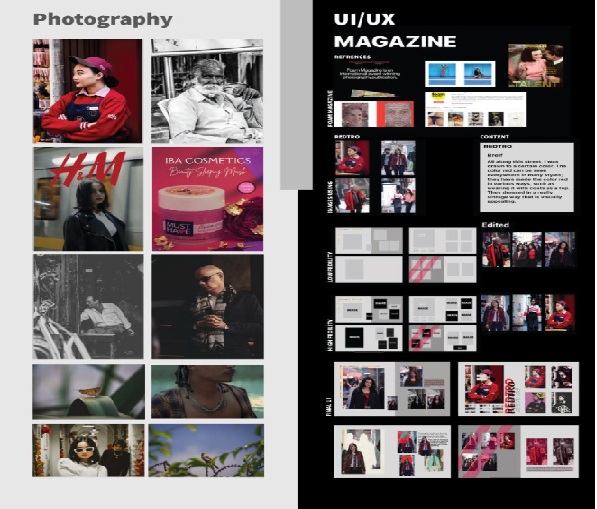
B.Des in Communication Design
Explore visual storytelling for brands, media
and digital platforms.
Bachelor of Architecture (B.Arch)
Council of Architecture approved 5-year
studio curriculum.