Best Design Universities in India
- By WUD Editorial Team
- November 11, 2026
Choosing a design university is about more than reputation. The right programme should give you opportunities to experiment, work on real projects, develop practical skills, and explore different areas of design. With fields ranging from fashion and interiors to product, digital, communication and animation, students today have many paths to choose from.
When comparing the top design universities in India, look beyond rankings. Consider the curriculum, faculty, studios, industry exposure, student work and overall learning environment. This guide explores some of the best design colleges in India and what to look for when choosing among design universities in India.
Best Design Universities in India
There is no single factor that makes a university the right choice for every design student. A student interested in fashion may value a completely different learning environment from someone interested in interaction design or transportation. For this comparison, the focus is on programme diversity, teaching and learning methods, studio and practical exposure, faculty, infrastructure, industry engagement and the kind of creative environment students get to work in.
World University of Design (WUD), Sonipat
Located in Sonipat in the Delhi NCR region, the World University of Design (WUD) is a university built specifically around the creative domain. Unlike a university where design is one department among many unrelated academic fields, WUD brings design, architecture, fashion, visual arts, communication, performing arts, technology and business together within the same academic ecosystem. Its current programmes reflect that breadth, with undergraduate and postgraduate options across these areas.
A wide range of design programmes
For students who are still figuring out which area of design they want to pursue, the range of programmes at WUD is one of its most noticeable features. The current undergraduate design portfolio includes Product Design, Interior Architecture & Design, Transportation Design, UX & Digital Product Design, Fashion Design, Fashion Communication, Textile & Fashion Innovation, Graphic Communication Design, Animation & Game Design, and Film & Video. WUD also offers a B.Tech in Computer Science & Design, bringing computing and design together in a single programme.
That variety matters because design interests often change as students start working on actual projects. Someone who enters college interested in drawing, for example, may discover an interest in branding, animation, product development or digital experiences after being exposed to different ways of working.
Learning by making
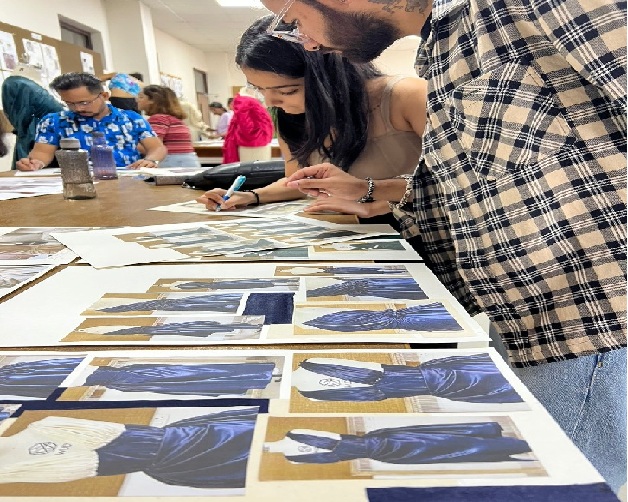
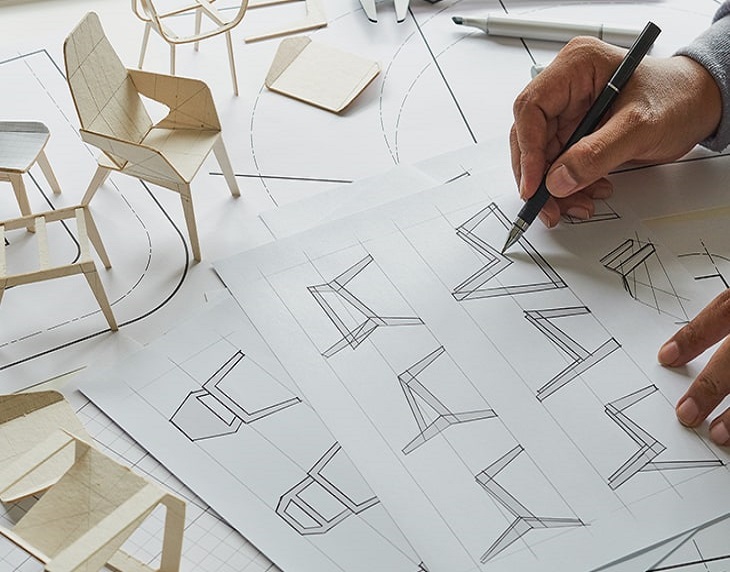
Design cannot be learnt entirely from a textbook. WUD’s approach places considerable emphasis on studio work, projects, experimentation and practical application. Students work through the process of researching a problem, developing ideas, testing them and presenting the outcome. The university’s current academic and campus updates also show students engaging with exhibitions, industry visits, exposure projects and workshops as part of their learning.
The advantage of this approach is fairly simple: students get to see what happens when an idea has to work outside the sketchbook. Materials behave differently, users respond differently and practical constraints often change the original concept. Learning to deal with those realities is an important part of becoming a designer.
Industry exposure and professional preparation
WUD’s learning environment also connects classroom work with professional practice through industry interactions, live projects, workshops, exposure visits and portfolio development. Recent university activities include industry and exhibition visits for Interior Architecture and Design students and real-world exposure activities for UX and digital design students.
For a design student, this kind of exposure is useful because a portfolio is not simply a collection of finished pictures. It should show how you think, how you approach a brief, how you respond to feedback and how you arrive at a solution. Project-based learning gives students opportunities to build that body of work over time.
An interdisciplinary creative environment
WUD’s structure also makes it possible for students to encounter ideas from other creative fields. Design, fashion, architecture, visual arts, communication, technology and business operate within the same university environment.
That can be particularly useful for projects that sit between disciplines. A digital product, for example, may require visual communication, user research and technology. A fashion brand may involve design, storytelling, business and sustainability. Working in an environment where these areas are not completely separated can help students develop a broader understanding of how creative work happens in the real world.
Technology and AI in design education
Technology is another area where design education is changing quickly. WUD states that AI tools and workflows have been integrated across its programmes since 2019, and its current 2026–27 programme information describes AI learning as enabled across its undergraduate programmes.
The emphasis is not simply on learning another software tool. The larger shift is towards understanding how technologies such as generative AI, digital prototyping, immersive media and data-driven tools can become part of a designer’s workflow. WUD’s current programmes reflect this direction, including areas such as Human-Centered AI & Experience Design and Computer Science & Design.
Faculty and mentorship
The quality of feedback a student receives can make a significant difference in design education. WUD’s academic environment brings together faculty members, practising professionals and researchers, giving students opportunities to learn through project reviews, discussions and guided development. The university also regularly features faculty and alumni talks, industry sessions and project-based activities.
For students, this means the learning process does not have to stop at “submit the project.” Good mentorship can help them question their first idea, understand why something is or is not working, and develop the confidence to try a different direction.
Why WUD stands out
WUD’s strongest differentiator is the combination of breadth and creative focus. Students can specialise in a particular design discipline while being part of a university environment that also includes fashion, architecture, visual arts, communication, technology and business. Its emphasis on studio learning, interdisciplinary work, professional exposure and contemporary technology makes it an option worth considering for students looking for a broad creative education in the Delhi NCR region.
National Institute of Design (NID)
The National Institute of Design is one of India’s most established names in design education. NID Ahmedabad was established in 1961 and is recognised as an Institution of National Importance. Its academic structure covers areas including Industrial Design, Communication Design, Textile, Apparel & Lifestyle Design, IT Integrated Design and Interdisciplinary Design Studies.
Indian Institute of Technology Bombay – IDC School of Design
IDC School of Design at IIT Bombay brings design education into an environment strongly connected with engineering, technology and research. It offers a four-year B.Des programme alongside M.Des and doctoral programmes, with postgraduate areas including Industrial Design, Communication Design, Animation, Interaction Design, and Mobility and Vehicle Design.
National Institute of Fashion Technology (NIFT)
NIFT is a major choice for students who already know that they want to build their careers around fashion and related industries. Its undergraduate portfolio includes B.Des programmes in Fashion Design, Leather Design, Accessory Design, Textile Design, Knitwear Design and Fashion Communication, along with a B.FTech in Apparel Production.
Indian Institute of Technology Hyderabad – Department of Design
The Department of Design at IIT Hyderabad offers a four-year B.Des programme that gradually moves students from foundation-level learning towards areas of specialization. Students can develop interests in Product Design, Visual Communication and Interaction Design. The department also offers M.Des programmes and pathways towards doctoral research.
What Makes a University One of the Best for Design?
There is no universal formula for identifying the top design colleges in India. A university that is excellent for one discipline may not necessarily be the best fit for another. Instead of relying only on rankings or reputation, look at what the institution actually offers students during the course.
Range of Design Courses
A wider course portfolio can be useful if you are still exploring your interests. Look at whether the university offers the discipline you want and whether there are related areas you can explore through electives, projects or interdisciplinary work. The more important question is not simply “How many courses are available?” but “Are the courses relevant to where design is heading?”
Curriculum and Studio-Based Learning
Design education should leave room for doing, not just listening. Look for studio courses, workshops, projects, prototyping, research and presentations. Read the curriculum carefully and see how much time students spend developing and testing ideas. A course with a strong practical component will usually give you more opportunities to build a body of work while you study.
Faculty and Industry Exposure
The people teaching you matter. Look at the faculty’s academic and professional backgrounds, but also look at how students interact with them. Industry talks, live briefs, workshops, internships and collaborative projects can help students understand professional expectations before graduation.
Infrastructure and Design Facilities
Studios and workshops are not just facilities to mention on a brochure. They determine what students can actually make. Depending on the discipline, check for access to fabrication facilities, computer labs, material libraries, photography or film facilities, digital tools, prototyping equipment and other resources relevant to your course.
Technology and Innovation
The tools used in design are changing quickly. Digital modelling, AI, AR/VR, generative tools, computational methods and other technologies are becoming part of different design workflows. A good university should teach students how to use new tools thoughtfully while keeping fundamentals such as observation, research, creativity and problem-solving at the centre.
Career and Professional Opportunities
Look beyond placement numbers. Examine internships, live projects, portfolio reviews, industry connections, alumni careers, entrepreneurship support and opportunities for higher education. In creative careers, the quality of your work and the ability to explain your process can matter as much as your degree title.
How to Choose the Right Design University in India
Once you have shortlisted a few institutions, the decision becomes much more personal. Instead of asking only which university is “best,” ask which one fits the kind of designer you want to become.
Choose Based on Your Design Interest
Start with the problems you enjoy solving. If you like creating physical objects, Product Design may be worth exploring. If spaces interest you, look at Interior Design or Interior Architecture. Students drawn to clothing and materials can consider Fashion Design, while those interested in digital products can explore UX and Digital Product Design. Visual storytelling can lead towards Graphic or Communication Design; mobility enthusiasts can look at Transportation Design; and students fascinated by games and moving images can explore Animation & Game Design.
Compare the Curriculum and Learning Approach
Two universities can offer the same degree and still provide very different experiences. Check what subjects are taught, how much studio work is involved and how often students work on projects. Find out whether students get to work with real-world briefs and whether the curriculum keeps pace with current technologies. A curriculum should give you fundamentals first, but it should also leave enough space to experiment.
Check Industry Exposure and Student Work
Ask to see student portfolios, not just photographs of campus facilities. Look at the kind of work students produce by their final year. Internships, live projects, industry collaborations and exhibitions can tell you how closely the university connects learning with professional practice. Graduate outcomes can also provide useful context, but remember that individual results vary.
Consider Location, Fees and Campus Environment
The practical side matters too. Compare tuition fees, accommodation and everyday living expenses, and think about accessibility to the city or industry hubs around the campus. Just as important is the campus itself. Design students spend a lot of time discussing ideas, working together and using shared studios, so the creative community and atmosphere can have a real impact on your experience.
Design Courses You Can Pursue at a Design University
The degree you choose will depend on your interests and the institution’s academic structure. Common options include:
| Degree | What it generally covers |
| B.Des | Undergraduate study in areas such as product, fashion, communication, UX, interiors and other design disciplines |
| B.Arch | Architecture, built environments, spatial planning and related areas |
| BFA/BVA | Fine arts, visual arts, illustration, painting and related creative practices |
| M.Des | Postgraduate specialisation in a chosen design discipline |
| Other postgraduate programmes | Specialised master’s programmes across design, art, fashion, technology and related creative fields |
The exact degrees and specialisations vary from one university to another. Before applying, check the programme structure, eligibility, duration and admission process of the institution you are considering.
Career Opportunities After Studying Design
A design degree can lead to very different careers depending on the discipline you study. The salary figures below are indicative annual ranges in India, not guaranteed starting salaries. Actual pay depends on experience, portfolio quality, location, employer, specialization and industry. Recent salary data also shows considerable variation between design roles.
| Design field | Possible roles | Indicative annual salary range |
| Product Design | Product Designer, Industrial Designer, Design Researcher | ₹3.6–27 lakh+ |
| UX / Digital Product Design | UX Designer, UI Designer, Interaction Designer | ₹1.8–11.6 lakh+ |
| Graphic / Communication Design | Graphic Designer, Visual Designer, Art Director | ₹2.2–8.4 lakh+ |
| Interior Design | Interior Designer, Spatial Designer | ₹1.3–7 lakh+ |
| Fashion Design | Fashion Designer, Apparel Designer, Fashion Illustrator | ₹1.7–13 lakh+ |
| Textile & Accessory Design | Textile Designer, Accessory Designer, Surface Designer | Varies by role and employer |
| Animation & Game Design | Animator, Game Artist, Motion Designer | Varies by specialization and experience |
| Transportation Design | Automotive Designer, Mobility Designer, Visualizer | Varies significantly by employer and specialization |
Salary ranges in creative fields can widen considerably with experience, specialized skills and the type of organization you work with. For example, current salary data for Product Designers spans a much wider range than many entry-level creative roles, reflecting the difference between industries and experience levels.
Why WUD Can Be a Strong Choice for Design Education
WUD offers a dedicated creative university environment where design, fashion, architecture, visual arts, technology and business come together. Its wide range of design programmes allows students to specialise while also gaining exposure to other creative disciplines.
The university follows a studio and practice-led approach, with hands-on projects, industry interaction, interdisciplinary learning and portfolio development. WUD also incorporates digital tools, emerging technologies and AI-enabled learning across its programmes, helping students stay connected to changing design practices.
For students looking for a design-focused university in the Delhi NCR region, WUD brings together creative breadth, practical learning, industry exposure and technology within one learning environment.
Conclusion
The best university for design in India is not necessarily the one with the longest list of courses or the biggest reputation. It is the one that gives you the right environment to develop the kind of designer you want to become.
Start with your area of interest, then look closely at the curriculum, studios, faculty, projects, industry exposure, technology and student work. Visit campuses if possible and speak to current students or alumni before making a decision. Most importantly, look for a place where you will have enough freedom to experiment while receiving the guidance needed to turn ideas into strong work.
Whether you are comparing established institutes such as NID, IDC or NIFT, technology-driven design departments such as IIT Hyderabad, or dedicated creative universities such as WUD, the right choice will ultimately depend on your goals, learning style and the kind of design problems you want to work on.
Frequently Asked Questions
Explore Our Programmes
B.Des in Communication Design
Explore visual storytelling for brands, media
and digital platforms.
Bachelor of Architecture (B.Arch)
Council of Architecture approved 5-year
studio curriculum.