Choosing what to study after Class 12 can be an important decision, especially if you are interested in creativity, problem-solving, technology, visual communication, fashion, products, spaces, or digital experiences. Today, design is no longer limited to drawing, sketching, or making things look visually appealing. It has evolved into a multidisciplinary field that combines creativity with research, technology, strategy, user understanding, and innovation.
For students exploring design courses after 12th, there are several undergraduate pathways across fashion, communication, products, interiors, transportation, digital experiences, animation, film, and other creative disciplines. The right course depends on your interests, strengths, career goals, and the type of problems you want to solve as a designer.
At World University of Design (WUD), students can explore a range of four-year B.Des programmes across different areas of design, including Product Design, Interior Architecture & Design, Transportation Design, UX & Digital Product Design, Fashion Design, Fashion Communication, Textile Design, Film & Video, Graphic Communication Design, and Animation & Game Design. WUD’s current undergraduate programme structure also includes options to exit certain four-year B.Des programmes after three years with a B.Sc degree.
This guide explains the different design courses after 12th, eligibility, options based on your Class 12 stream, career opportunities, and how you can pursue a design education at WUD.
Design courses after 12th are undergraduate programmes that help students develop creative, analytical, technical, and problem-solving skills for professional careers in design and related industries.
Unlike the common perception that design is only about artistic ability, professional design education involves understanding users, researching problems, generating ideas, experimenting with different solutions, developing concepts, creating prototypes or visual outputs, and communicating the final outcome effectively.
Depending on the specialisation, students may work with:
| B.Des Programme | Duration | Suitable For Students Interested In |
|---|---|---|
|
UX & Digital Product Design |
4 years |
UX, digital products, interfaces and technology |
|
Product Design |
4 years |
Products, innovation, materials and problem-solving |
|
Transportation Design |
4 years |
Automobiles, mobility and transportation |
|
Interior Architecture & Design |
4 years |
Interior spaces, spatial planning and environments |
|
Fashion Design |
4 years |
Apparel, fashion, textiles and styling |
|
Fashion Communication |
4 years |
Fashion media, branding, styling and communication |
|
Textile Design |
4 years |
Textiles, materials, surfaces and patterns |
|
Film & Video |
4 years |
Filmmaking, visual storytelling and video |
|
Graphic Communication Design |
4 years |
Branding, typography, graphics and visual communication |
|
Animation & Game Design |
4 years |
Animation, games, digital storytelling and interactive media |
WUD states that these undergraduate design programmes are designed around hands-on learning, creativity, innovation and emerging career opportunities.
Students should explore the curriculum of each programme before making a decision because the skills, learning methods, projects and career paths can vary significantly between design disciplines.
There is no single design course that is best for every student. The right option depends on your interests and the type of work you want to do in the future.
Here are some of the major design disciplines students can consider after Class 12.
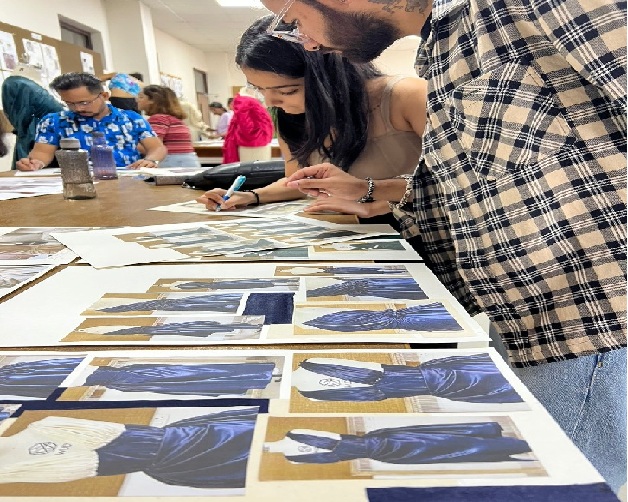
Fashion Design focuses on creating apparel and developing fashion concepts from initial ideas to finished garments. Students can explore areas such as fashion illustration, garment construction, textiles, materials, silhouettes, surface development, styling, and fashion trends.
A fashion education can help students understand both the creative and practical aspects of the fashion industry. Students interested in clothing, materials, trends, styling, and creative expression may find Fashion Design particularly suitable.
Career opportunities can include fashion designer, apparel designer, fashion stylist, textile professional, fashion illustrator, costume designer, fashion merchandiser, and fashion entrepreneur.
Students interested in pursuing Fashion Design at WUD can explore the B.Des in Fashion Design programme.
Fashion Communication combines fashion with visual storytelling, communication, branding, media, styling, and creative direction.
Students interested in fashion but more inclined towards communication, photography, styling, visual content, branding, and media may find this discipline more suitable than conventional fashion design.
Career opportunities can include fashion communicator, stylist, visual merchandiser, fashion content professional, brand communication professional, art director, creative professional, and visual storyteller.
WUD offers a B.Des in Fashion Communication as part of its undergraduate design portfolio.
Textile Design focuses on the development of fabrics, patterns, surfaces, materials, and textile-based products. Students can explore traditional and contemporary textile techniques while learning how materials, colours, textures, patterns, and processes influence the final outcome.
This course can be suitable for students who enjoy working with materials, patterns, surface design, craft, fashion, interiors, and lifestyle products.
Career opportunities may include textile designer, surface designer, print designer, material-focused designer, textile product developer, and independent creative entrepreneur.
WUD offers a B.Des in Textile Design for students interested in this area of design.
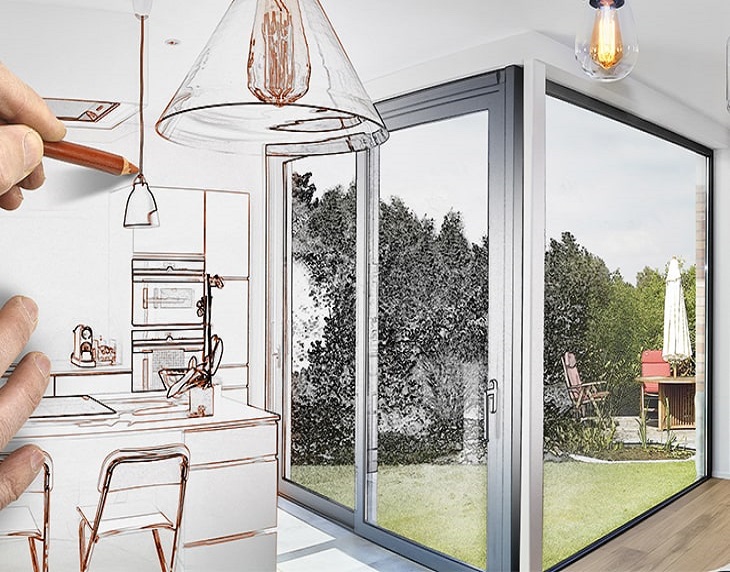
Interior Architecture & Design focuses on creating functional, comfortable, meaningful, and visually engaging interior environments.
Students learn about spatial planning, materials, furniture, lighting, scale, user requirements, drawings, and the relationship between people and spaces. Projects can involve residential, commercial, hospitality, retail, workplace, and other environments.
Students who enjoy spaces, architecture, furniture, materials, colours, and spatial problem-solving may find this discipline suitable.
Career opportunities include interior designer, spatial designer, furniture designer, set designer, visual merchandiser, interior stylist, and design consultant.
WUD offers a four-year B.Des in Interior Architecture & Design.
Product Design focuses on developing products that respond to user needs while balancing function, usability, aesthetics, materials, technology, and manufacturing considerations.
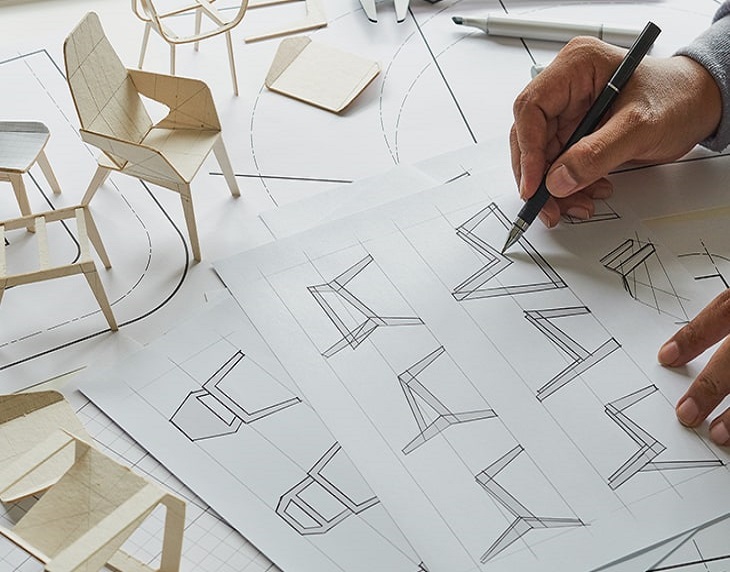
Students may work through different stages of the design process, including research, ideation, sketching, concept development, modelling, prototyping, testing, and refinement.
The discipline can involve everyday consumer products, furniture, appliances, tools, equipment, and other physical products.
Career opportunities include product designer, design researcher, innovation designer, design consultant, furniture designer, product developer, and design strategist.
WUD offers a four-year B.Des in Product Design for students interested in creating products and developing innovative solutions.
UX & Digital Product Design focuses on designing useful, accessible, and engaging digital experiences.
Students explore areas such as user research, information architecture, user flows, interaction design, interface design, prototyping, usability, and digital product development.
The field is relevant to websites, applications, digital platforms, software products, and technology-enabled services.
Students interested in technology, apps, websites, digital products, research, and problem-solving may find UX & Digital Product Design particularly relevant.
Career opportunities include UX designer, UI designer, interaction designer, product designer, UX researcher, service designer, and design strategist.
WUD offers a four-year B.Des in UX & Digital Product Design.
Transportation Design focuses on designing vehicles and exploring the future of mobility.
Students can study vehicle proportions, exterior and interior design, ergonomics, visualisation, user experience, materials, and mobility concepts. The discipline combines creativity with an understanding of technology, human needs, performance, and changing transportation systems.
Students interested in automobiles, mobility, vehicles, technology, and 3D visualisation can consider Transportation Design.
Career opportunities include transportation designer, automotive designer, mobility designer, exterior designer, interior designer, colour and materials designer, and automotive visualiser.
WUD offers a four-year B.Des in Transportation Design.
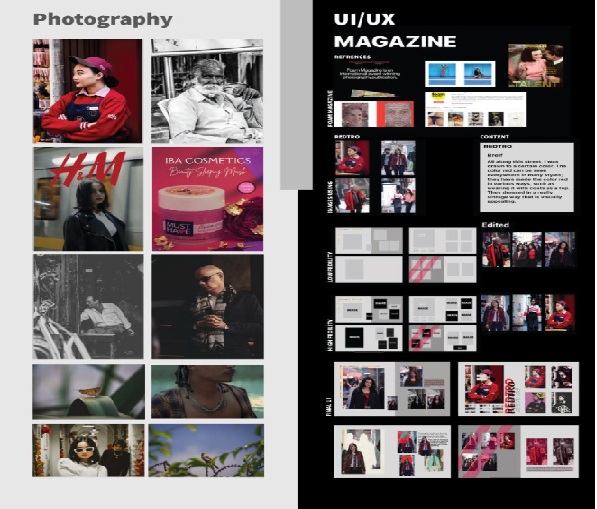
Graphic Communication Design focuses on communicating information, ideas, identities, and stories through visual language.
Students can explore typography, layout, illustration, branding, visual identity, digital communication, graphics, and other forms of visual expression.
The discipline is relevant to branding agencies, advertising, publishing, media, technology companies, businesses, and in-house creative teams.
Career opportunities include graphic designer, communication designer, brand identity designer, visual designer, illustrator, art director, motion designer, and creative professional.
WUD offers a four-year B.Des in Graphic Communication Design.
Animation & Game Design combines storytelling, visual development, digital tools, animation principles, interactive media, and game-related creative practices.
Students interested in animation, games, digital storytelling, characters, visual effects, interactive experiences, and emerging media can explore this field.
Career opportunities may include animator, game designer, game artist, visual development artist, 3D artist, storyboard artist, motion designer, and digital media professional.
WUD offers a four-year B.Des in Animation & Game Design. The programme currently has a different annual fee structure from the other B.Des specialisations, so applicants should check the latest official fee details before applying.
Film & Video focuses on visual storytelling through moving images. Students can explore filmmaking, visual narrative, production, cinematography, editing, direction, and related creative practices.
This discipline can be suitable for students who enjoy storytelling, photography, filmmaking, video production, media, and visual communication.
Career opportunities can include filmmaker, video professional, cinematographer, editor, content creator, production professional, visual storyteller, and independent media practitioner.
WUD offers a four-year B.Des in Film & Video.
Your Class 12 stream does not automatically determine whether you can pursue design. However, eligibility can vary depending on the programme and institution.
At WUD, the current 2026–27 B.Des programme information states that applicants to the listed B.Des programmes need to have completed Senior Secondary (10+2) with a minimum of 50% marks, with admission through an aptitude test and interview. UCEED, NID and NIFT qualified students are preferred.
Students should always check the latest eligibility criteria for the specific programme before applying.
Arts students can explore a wide range of design disciplines because their academic background may already include subjects related to creativity, humanities, visual expression, culture, or communication.
The most suitable course should be selected based on the student’s interests and aptitude rather than simply their Class 12 stream.
Commerce students can also explore design education. Their familiarity with business, markets, consumers, communication, and commercial decision-making can complement design skills.
Students interested in the intersection of creativity and business can also explore areas such as branding, design strategy, retail, entrepreneurship, and creative business.
Science students can bring analytical thinking, observation, technology awareness, mathematics, and problem-solving skills to design education.
Students who enjoy technology, digital products, systems, materials, mobility, or technical problem-solving may find Product Design, UX & Digital Product Design, or Transportation Design particularly relevant.
However, students should distinguish B.Des eligibility from programmes that have specific subject requirements. For example, WUD’s B.Tech Computer Science & Design requires 10+2 in Science with Mathematics as a compulsory subject and a minimum of 50% marks.
Yes, many design pathways do not require Mathematics as a compulsory Class 12 subject. However, eligibility depends on the specific programme and institution.
For example, WUD’s current B.Des eligibility requires Senior Secondary (10+2) with a minimum of 50% marks, followed by the applicable admission process. In contrast, WUD’s B.Tech Computer Science & Design has a specific Science and Mathematics requirement.
Therefore, students should check the eligibility criteria of the specific design course before applying.
Start by identifying the subjects and activities that naturally interest you.
If you enjoy clothing, fabrics, styling, and fashion, consider Fashion Design or Textile Design.
If you enjoy branding, typography, visual storytelling, and graphics, Graphic Communication Design or Fashion Communication may be worth exploring.
If you are interested in spaces, furniture, materials, and environments, Interior Architecture & Design could be a suitable option.
Students who enjoy technology, apps, websites, research, and digital experiences can consider UX & Digital Product Design.
Those fascinated by vehicles and mobility can explore Transportation Design, while students interested in physical products and innovation can consider Product Design.
If your interests lie in storytelling, animation, games, filmmaking, or digital media, Animation & Game Design or Film & Video may be more appropriate.
Different design disciplines require different combinations of skills.
Some areas may require strong visualisation and drawing abilities, while others may emphasise research, communication, technology, spatial thinking, material understanding, or problem-solving.
Good designers also need to develop observation, curiosity, experimentation, communication, collaboration, and critical-thinking skills.
You do not need to be equally strong in every area before starting a design course. A good undergraduate programme should help you develop these skills through projects, practice, feedback, and experimentation.
The name of a course does not tell you everything about the learning experience.
Before choosing a design programme, look at:
• Curriculum and subjects
• Studio-based learning
• Workshops and practical work
• Design projects
• Technology and software
• Research opportunities
• Industry exposure
• Internships
• Portfolio development
• Interdisciplinary opportunities
• Faculty expertise
• Infrastructure and facilities
At WUD, the design ecosystem brings together areas such as design, technology, fashion, architecture, visual arts, communication, and business, allowing students to encounter different approaches to creative problem-solving.
Before selecting a design course, research the career paths associated with the discipline.
For example, Product Design can lead towards product development, design research, innovation, and design consulting. UX & Digital Product Design can lead to roles in UX, UI, product design, interaction design, and digital experiences.
Fashion-related programmes can lead to careers in apparel, styling, textiles, communication, retail, branding, and fashion businesses.
Similarly, Graphic Communication Design can lead to careers in branding, visual communication, advertising, digital content, and creative direction.
Understanding potential career paths can help you select a course based on your long-term interests rather than simply choosing a programme because it is popular.
The admission process is an important consideration when choosing a design university.
WUD’s published admission procedure includes the following stages:
Step 1: Fill the Admission Form
Applicants need to complete the application process and submit the required application fee.
Step 2: Appear for the Aptitude Test
Eligible applicants appear for the relevant aptitude test. WUD conducts design aptitude testing for admission to its design, fashion, and communication programmes.
Step 3: Campus Interview
Shortlisted candidates participate in a personal interview. Candidates may also showcase creative evidence such as portfolios, drawings, photographs, or crafts where relevant.
Step 4: Offer of Admission
Successful candidates receive an admission offer and complete the required admission and document-verification formalities.
For 2026, WUD is also conducting WUDAT 2026, its online aptitude examination for admission to various undergraduate and postgraduate programmes. Students who have qualified in the first round of UCEED, CEED, NID, or NIFT can apply and directly appear in the interview-portfolio round, subject to the applicable process.
Students should always refer to the latest admission information before applying because entrance requirements and admission schedules can change.
A design degree can open career opportunities across creative, technology, manufacturing, fashion, media, entertainment, retail, mobility, and other industries.
Depending on your specialisation, you may work as a:
Career growth depends on factors such as specialisation, skills, portfolio quality, internships, professional experience, location, organisation, and ability to adapt to changing industry requirements.
Design graduates can also explore freelancing, independent practice, entrepreneurship, consulting, and higher education.
Choosing the right university is an important part of building a design career. World University of Design is focused on creative education and offers programmes spanning design, architecture, fashion, visual arts, technology, and business.
The university’s current undergraduate portfolio includes 10 B.Des programmes, giving students multiple pathways across physical, digital, visual, spatial, fashion, mobility, animation, and film-related design disciplines.
Jamia Millia Islamia is a central university with a multidisciplinary academic environment. Its architecture education connects architectural design with broader questions surrounding human settlements and the built environment.
Its New Delhi location also provides students with exposure to a diverse urban, cultural and architectural context.
Key strength: Architecture education combined with a multidisciplinary university environment and a focus on human settlements.
WUD’s B.Des offerings include:
This range allows students with different creative interests to explore a specialised design pathway within the same university.
Design is best learned through practice. Students need opportunities to research, develop ideas, experiment, make, test, receive feedback, and refine their work.
WUD’s School of Design describes its approach around hands-on making, research, digital tools, and contemporary design practices. This kind of learning can help students connect design concepts with practical projects and professional applications.
Many contemporary design problems do not belong to one discipline.
A digital product may require UX, technology, visual communication, research, and business thinking. A fashion brand may involve fashion design, textiles, communication, branding, and retail. Similarly, mobility design can involve transportation, technology, materials, user experience, and sustainability.
An interdisciplinary creative environment can expose students to different ways of thinking and help them understand how design disciplines connect with one another.
Understanding how design works outside the classroom is an important part of professional preparation.
Students should look for opportunities to work on practical projects, build portfolios, participate in workshops, interact with professionals, and understand how design briefs are developed and executed.
Portfolio development is particularly important because a design portfolio can demonstrate not only the final outcome but also the research, thinking, experimentation, development, and problem-solving behind a project.
Technology is transforming how designers research, visualise, prototype, communicate, and develop ideas.
WUD’s current programme information states that AI learning is enabled across its undergraduate programmes, reflecting the growing role of technology in contemporary creative education.
Students can therefore benefit from learning both fundamental design principles and contemporary digital tools while developing the ability to adapt as technology and industry practices evolve.
Choosing a design course after Class 12 is not simply about selecting a creative subject. It is about identifying the kind of problems you want to solve, the people you want to design for, and the skills you want to develop.
Whether your interests lie in fashion, textiles, interiors, products, transportation, digital experiences, visual communication, animation, games, or film, there are multiple design pathways to explore.
The right programme should provide a balance of creative thinking, practical experience, research, technology, experimentation, and professional exposure. It should also help you develop a strong portfolio and the ability to adapt as the design industry evolves.
At World University of Design, students can choose from a wide range of undergraduate B.Des programmes and learn within a broader creative ecosystem that connects design with technology, fashion, architecture, visual arts, communication, and business.
If you are planning to pursue a design career after Class 12, explore the available programmes carefully, compare their curricula and career pathways, understand the eligibility requirements, and choose the discipline that best matches your interests and long-term goals.
Students can choose from several design disciplines after Class 12, including Fashion Design, Fashion Communication, Textile Design, Interior Architecture & Design, Product Design, UX & Digital Product Design, Transportation Design, Graphic Communication Design, Animation & Game Design, and Film & Video.
The availability of a specific course depends on the university and its current programme offerings.
Explore visual storytelling for brands, media
and digital platforms.
Council of Architecture approved 5-year
studio curriculum.