Best Fine Arts Colleges in India
- By WUD Editorial Team
- November 11, 2026
Fine arts today goes beyond traditional painting and gallery exhibitions. Artists work across painting, illustration, photography, digital art, new media and other creative practices. For students exploring fine arts courses after 12th, choosing the right college can shape both their technical skills and their individual artistic voice.
When comparing the top fine arts colleges in India, it is worth looking beyond reputation alone. The quality of studios, faculty mentorship, exposure to different art practices, opportunities to exhibit work and the freedom to experiment can make a significant difference. This guide looks at some of the best fine arts colleges in India for BFA and what students should consider before choosing a programme.
Best Fine Arts Colleges in India
There are several established institutions offering fine arts education in India, but each has its own approach. Some are known for their long artistic legacy, while others focus more strongly on contemporary practices, interdisciplinary learning or digital technologies. The colleges below are considered based on factors such as academic reputation, programme offerings, studio-based learning, faculty, facilities, artistic exposure and opportunities for professional development.
World University of Design (WUD), Sonipat
Located in Sonipat, Delhi NCR, the World University of Design (WUD) approaches visual arts within a larger creative university environment. Its School of Visual Arts brings together traditional art practices and contemporary approaches, giving students the opportunity to explore art while being part of a university that also includes design, fashion, architecture, communication, performing arts and management.
Rather than treating fine arts as a field that exists separately from the rest of the creative industry, WUD’s School of Visual Arts encourages students to see how art connects with changing cultural, technological and professional contexts.
BVA in Creative Painting
WUD’s four-year BVA in Creative Painting builds a foundation in painting and drawing while allowing students to move towards contemporary forms of art-making. Students work with traditional methods such as acrylic, oil, watercolor and life and still-life drawing, alongside practices such as digital painting, graphic novels, hybrid or expanded painting and 3D spatial installation.
The programme also goes beyond technique. Art theory, history, philosophy and cultural studies help students understand the ideas and contexts behind contemporary art. Studio work gives them the space to experiment, develop concepts and gradually build an individual artistic style. The aim is not simply to reproduce a particular way of painting, but to help students understand their own creative language and how they want to use it.
BVA in Digital Drawing & Illustration
The four-year BVA in Digital Drawing & Illustration is designed around the changing role of drawing in today’s creative industries. The programme combines traditional drawing and illustration with digital tools, photography, animation and mixed-media practices.
Students continue to develop foundational hand-drawing and observational skills while learning digital illustration practices and relevant software. The programme also focuses on conceptual thinking, creativity and professional presentation. This makes it relevant to students who want to explore illustration while keeping one foot in traditional art practice and the other in digital and emerging creative fields.
Studio-Based Learning
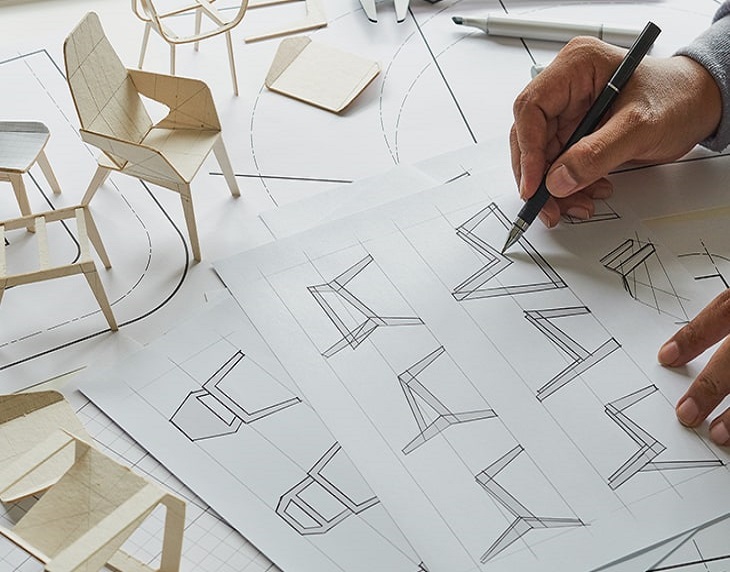
Studio practice is central to the way fine arts is taught at WUD. Students spend time developing work, testing different methods, receiving feedback and reworking their ideas. This process allows experimentation to become part of everyday learning rather than something reserved for a final project.
The focus is also on developing an artistic voice. Alongside practical work, students are encouraged to question their choices, understand the ideas behind their work and build the critical thinking needed to discuss and present their practice.
Traditional and Contemporary Art Practices
One of the distinguishing aspects of WUD’s visual arts approach is the space given to both established and newer forms of art-making. Painting and drawing remain important foundations, while students can also explore illustration, photography, digital art and intermedia practices.
This combination reflects the way contemporary artists often work today. A practice may move between physical and digital media, combine different materials or draw from disciplines outside traditional fine art. Students therefore get room to explore rather than being restricted to one medium.
Interdisciplinary Creative Environment
Fine arts students at WUD study alongside students from design, fashion, architecture, communication, performing arts and management. The School of Visual Arts specifically highlights opportunities for cross-disciplinary perspectives, shared resources and joint projects.
That interaction can influence how students approach their own work. An artist may collaborate with a fashion student on a visual project, work with designers on an installation or explore storytelling through another creative medium. These experiences can broaden the way students think about their practice and its possible applications.
Technology in Fine Arts
Digital tools have become part of many contemporary art practices, from digital illustration and photography to new media and mixed-media work. WUD’s visual arts programmes bring these possibilities into the learning process without moving away from traditional foundations.
For students interested in digital art, this combination can be particularly useful. They can continue developing drawing and observational skills while learning how digital technologies can expand the ways they create, present and communicate ideas.
Faculty and Artistic Mentorship
Fine arts education depends heavily on feedback and conversation. At WUD, students work with faculty and practising artists who guide them through projects, experimentation and the development of their individual practice. The Creative Painting programme, for example, specifically highlights guidance from practising artists alongside skill-building and critical reflection.
This kind of mentorship can help students move beyond simply learning techniques. Regular feedback encourages them to question their choices, refine ideas and gradually understand what makes their work distinct.
Professional and Cultural Exposure
Developing as an artist also means understanding the larger art world. WUD’s School of Visual Arts connects students with professional networks and the wider cultural landscape, with opportunities to engage with exhibitions, galleries, cultural institutions and creative industries.
Such exposure can help students understand different ways of building a creative career, whether that means working as an artist, illustrator, digital creative, educator, curator or pursuing another path within the cultural sector.
Key Strengths
WUD’s School of Visual Arts stands out for bringing traditional art practices, contemporary approaches and digital technologies into the same learning environment. Its studio-led education, interdisciplinary ecosystem and focus on individual artistic development make it an option for students who want to explore fine arts without limiting themselves to one medium or career path.
Faculty of Fine Arts, Maharaja Sayajirao University of Baroda
The Faculty of Fine Arts at Maharaja Sayajirao University of Baroda has a long-standing place in Indian art education. Established in the mid-20th century, it has been associated with the development of modern and contemporary art practices in India.
Sir J.J. School of Art, Mumbai
Sir J.J. School of Art is one of India’s historic art institutions and has played an important role in the development of formal art education in the country. Located in Mumbai, the institution has a long association with painting, sculpture and visual arts.
College of Art, Delhi
The College of Art in Delhi is another established institution for students interested in formal training in visual arts. Its academic environment covers areas of fine and applied arts, giving students opportunities to develop both practical skills and an understanding of artistic concepts.
Being located in Delhi also provides access to a strong cultural ecosystem, including galleries, museums, exhibitions, workshops and other art-related events. This can add an important layer of exposure to classroom and studio learning.
Faculty of Visual Arts, Banaras Hindu University
The Faculty of Visual Arts at Banaras Hindu University offers fine arts education within one of India’s major multidisciplinary universities. Its academic environment brings together visual arts education, studio practice and theoretical study.
Jamia Millia Islamia, New Delhi
The Faculty of Fine Arts at Jamia Millia Islamia has its roots in the Art Institute established in 1951. It now includes departments such as Painting, Applied Art, Sculpture, Art Education, Art History & Art Appreciation and Graphic Art.
What Makes a Good Fine Arts College?
A good fine arts college should give you more than a degree. It should provide the space, guidance and resources needed to develop your work over several years. Here are some areas worth checking before you make a decision.
Range of Fine Arts Specializations
Start by looking at the areas you can actually study. Depending on the institution, these may include painting, sculpture, printmaking, illustration, photography, digital art, applied arts, visual communication and contemporary art practices.
The right choice depends on what you want to spend your time making. If you already know that painting is your primary interest, a programme with strong painting studios and mentorship may matter more than a college with dozens of unrelated specialisations. If you are interested in digital art or illustration, check whether those areas are properly supported rather than offered only as optional subjects.
Studio Facilities and Practical Learning
Fine arts is a hands-on discipline, so the studio can be as important as the classroom. Look at the quality of art studios, sculpture and workshop spaces, printmaking facilities, photography or digital labs and the availability of materials.
Also check how much time students actually spend working on projects. Regular studio practice, experimentation and hands-on assignments help students build confidence with materials and develop a working process. Exhibition spaces can be another useful facility, giving students opportunities to see how work is presented outside the classroom.
Faculty and Mentorship
A strong faculty can expose students to very different ways of thinking about art. Look for a mix of academic expertise and practising artists, but also pay attention to how much individual feedback students receive.
Studio critiques and one-to-one discussions can help students understand why a piece of work is successful, where it needs improvement and what direction it could take next. Exposure to different artistic approaches can be particularly valuable when you are still developing your own style.
Curriculum and Artistic Freedom
A good fine arts curriculum should give students technical foundations without telling them exactly what their art should look like. Look for a balance between technique, art history and theory, experimentation and contemporary practices.
Students should have enough structure to develop their skills and enough freedom to explore ideas that are personal to them. Over time, this balance can help them move from simply learning how to use a medium to understanding what they want to communicate through it.
Exhibitions and Industry Exposure
Look at what happens outside regular studio classes. Student exhibitions, gallery visits, workshops, visiting artist sessions, competitions and cultural events can introduce students to the professional art world while they are still studying.
These experiences can also help students build professional networks. Meeting artists, curators, gallery professionals and other practitioners can give students a clearer picture of how different careers in the arts actually work.
Interdisciplinary and Digital Exposure
The boundaries between fine arts and other creative fields are becoming increasingly fluid. Photography, digital illustration, animation, new media and interactive art can now sit alongside more traditional practices.
A college that allows interaction with design, fashion, architecture, communication and technology can give students more ways to approach their work. Digital tools should complement artistic fundamentals rather than replace them, giving students more options for creating and presenting their ideas.
How to Choose the Right Fine Arts College in India
Once you have a shortlist, the decision should come down to what you want from your education rather than which name appears first in a list.
Choose the Right Specialisation
Think about the kind of work you naturally spend time doing. If you enjoy working with colour and surfaces, painting may be the obvious direction. If you like working with form and physical materials, explore sculpture. Students interested in storytelling can consider illustration, while those drawn to technology may prefer digital art or new media.
Photography, applied arts and contemporary art are other possible directions. You do not need to have your entire career figured out at 17 or 18, but having a sense of what you want to explore can help you choose a programme that gives you enough room to do it.
Evaluate the College’s Student Work
One of the simplest ways to understand a fine arts college is to look at what its students actually make.
Go through student portfolios, studio projects, graduation work and exhibitions. Look at the range of styles rather than searching for one particular aesthetic. Alumni work, awards and competition entries can also provide useful context, but they should not be the only things you consider.
Compare Studio and Faculty Exposure
Visit the campus if you can. See the studios, workshops and other facilities for yourself. Ask how often students receive feedback, whether visiting artists conduct workshops and how much practical work forms part of the curriculum.
A well-equipped studio is useful, but it becomes much more valuable when students have regular access to it and faculty members who can guide their work.
Consider the Creative Environment
Where you study can influence what you see and who you meet. A city with galleries, museums, cultural institutions, exhibitions and an active creative community can offer learning experiences that happen outside college.
Also consider whether the campus encourages collaboration. Conversations with students from other art and creative disciplines can sometimes lead to ideas that would not emerge while working alone.
Look Beyond Rankings
Fine arts does not always fit neatly into conventional college rankings. A ranking cannot tell you whether a particular studio suits your practice or whether the faculty’s approach matches the way you want to learn.
Instead, compare the actual art curriculum, facilities, faculty, student work, studio culture and artistic opportunities. Those details will give you a much clearer picture of what your four years could look like.
Career Opportunities After Fine Arts
A BFA or BVA can lead to a wider range of careers than the traditional image of a gallery artist suggests. Depending on their interests and additional skills, graduates can work across art, publishing, digital media, education, cultural institutions and creative industries.
Professional Artist
Professional artists develop and exhibit their own work, participate in exhibitions, residencies and art projects, and may sell work through galleries, independent platforms or directly to collectors. Building this career usually takes time and requires a strong body of work and professional network.
Illustrator
Illustrators create visual content for publishing, advertising, children’s books, editorial work, entertainment, packaging and digital platforms. Traditional drawing skills combined with digital illustration can open up opportunities across several industries.
Digital Artist
Digital artists work with digital painting, image-making, 3D, animation, mixed media and other technology-enabled forms. Their work can appear in entertainment, gaming, advertising, media, virtual experiences and other creative fields.
Art Director
Art directors guide the visual direction of creative projects. Depending on the industry, they may work across advertising, publishing, entertainment, branding or digital media, coordinating visual concepts and working with designers, artists, photographers and other creatives.
Art Educator
Graduates interested in teaching can pursue careers in schools, art institutions, workshops and other educational settings. Further qualifications may be required depending on the role and institution.
Curator and Gallery Professional
Curators and gallery professionals work with artists, exhibitions, collections and audiences. Roles can include curatorial assistance, gallery management, exhibition coordination, art administration and cultural programming.
Art Researcher and Writer
Students interested in the academic and critical side of art can explore art history, criticism, research, publishing and cultural writing. With further study, opportunities can extend to museums, universities, cultural organisations and research institutions.
Creative Entrepreneur
Some fine arts graduates build independent creative practices or businesses. This can include illustration studios, art workshops, print businesses, commissioned artwork, digital content, art products or creative collaborations.
| Career Path | Typical Work Areas | Indicative Annual Salary |
| Professional Artist | Galleries, exhibitions, commissions, independent practice | Varies significantly |
| Illustrator | Publishing, advertising, media, digital content | ₹2-8 LPA |
| Digital Artist | Gaming, animation, media, advertising | ₹2.5-10 LPA |
| Art Director | Advertising, media, publishing, entertainment | ₹4-15 LPA |
| Art Educator | Schools, colleges, art institutions, workshops | ₹2.5-8 LPA |
| Curator / Gallery Professional | Galleries, museums, cultural institutions | ₹3-10 LPA |
| Art Researcher / Writer | Research, publishing, museums, academia | ₹3-9 LPA |
| Creative Entrepreneur | Independent studios, commissions, creative businesses | Varies by business |
Salary figures are indicative and can vary substantially based on experience, location, portfolio, specialization, employer and whether the professional is working independently.
Contemporary fine arts careers can extend well beyond traditional painting and gallery practice. Digital art, illustration, cultural institutions, education and creative industries have all created additional avenues for graduates who combine artistic skills with professional and digital capabilities.
Why Choose WUD for Fine Arts?
WUD offers fine arts students the opportunity to study within a university built around creative disciplines. Its School of Visual Arts currently offers BVA in Creative Painting and BVA in Digital Drawing & Illustration, both four-year programmes.
The programmes combine traditional foundations with contemporary and digital practices, supported by studio-based learning and faculty mentorship. Students can also interact with peers from design, fashion, architecture, communication and other creative fields, creating opportunities for interdisciplinary work.
For students interested in building a fine arts practice that can move between traditional media, digital work and wider creative industries, WUD offers an environment designed around that combination.
Conclusion
The right fine arts college should give you more than technical training. It should give you time to experiment, people who can challenge your thinking, studios where you can work and an environment where your artistic interests can grow.
When comparing the best BFA colleges in India, look closely at the work students produce, the specializations available, the faculty, studio facilities and exposure to the wider art world. If you are exploring fine arts colleges in India after Class 12, take the time to understand how each programme teaches and what kind of artistic practice it encourages.
There is no single path to becoming an artist. The best starting point is a college that gives you the skills, freedom and exposure to develop your own.
Frequently Asked Questions
Some established options include WUD, MSU Baroda, Sir J.J. School of Art, College of Art Delhi, BHU and Jamia Millia Islamia. The right choice depends on your preferred specialisation, teaching approach and artistic goals.
There is no single best BFA college for every student. Compare the curriculum, faculty, studio facilities, specializations, student work and exposure offered by different top BFA colleges in India before deciding.
Common options include BFA or BVA programmes in Painting, Sculpture, Applied Arts, Illustration, Digital Art and other visual arts disciplines. Available specialisations vary between institutions, so check individual course structures.
Look at studio facilities, faculty mentorship, curriculum, specialisations, student work, exhibitions, visiting artists, workshops and opportunities for practical learning. The creative environment and freedom to develop your own artistic style also matter.
Depending on the institution, students can explore Painting, Sculpture, Illustration, Photography, Applied Arts, Printmaking, Digital Art and Contemporary Art practices. Some programmes also combine traditional media with digital and interdisciplinary approaches.
A BFA can lead to careers as a professional artist, illustrator, digital artist, art director, educator, curator, gallery professional, art researcher or creative entrepreneur. Additional skills can also open opportunities across digital and creative industries.
Explore Our Programmes
B.Des in Communication Design
Explore visual storytelling for brands, media
and digital platforms.
Bachelor of Architecture (B.Arch)
Council of Architecture approved 5-year
studio curriculum.