Best Design Courses After 12th: Career Options, Eligibility and Scope
- By WUD Editorial Team
- November 12, 2026
Choosing a design course after Class 12 starts with understanding what you enjoy creating and the kind of problems you want to solve. The best design courses after 12th can lead to careers in fashion, products, interiors, communication, transportation, digital experiences, jewellery, animation, and other creative fields.
Students from different academic backgrounds can consider design courses after 12th in India, although eligibility and admission requirements vary by programme and institution. This guide compares major design courses, eligibility, entrance exams, career options, and factors to consider before choosing a college.
What Are Design Courses After 12th?
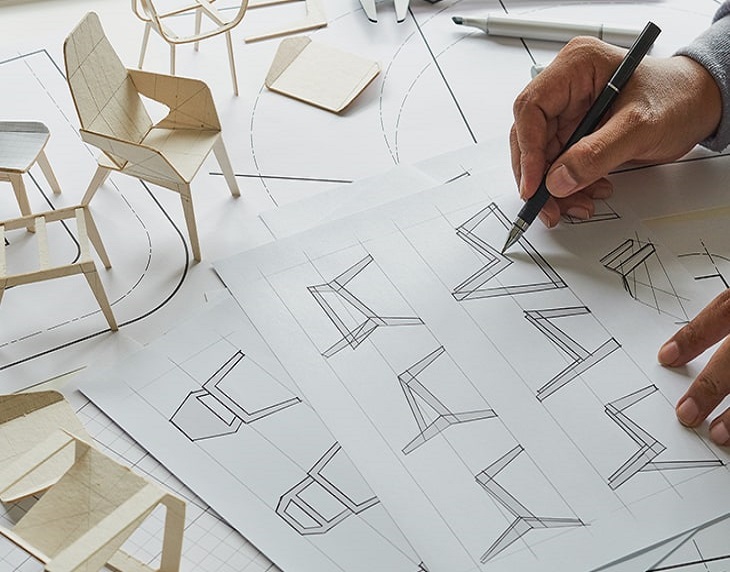
Design courses combine creative thinking with research, problem-solving, visualisation, technology, materials, and practical development. Undergraduate design courses generally use studio-based learning so students can apply concepts through projects rather than studying design only as theory.
Students can expect design education to include:
- Undergraduate design education across specialised fields
- Creative and practical learning
- Studio-based projects and assignments
- Design research and problem-solving
- Drawing, visualisation, prototyping, or digital tools
- Industry exposure and internships
- Portfolio development
Different design degree courses after 12th focus on different users, products, spaces, media, or industries.
Best Design Courses After 12th
The best design courses after 12th depend on a student’s interests rather than one specialisation being suitable for everyone. Compare what each field designs, the skills involved, and the type of work you would like to pursue.
|
Design Course |
Main Focus |
Suitable For |
| Fashion Design | Apparel, textiles and fashion | Students interested in fashion |
| Product Design | Products, materials and innovation | Students interested in objects and products |
| Communication Design | Branding, graphics and visual communication | Creative and visual thinkers |
| Interior Design | Spaces and environments | Students interested in spatial design |
| Transportation Design | Vehicles and mobility | Students interested in automotive and mobility design |
| UX/Digital Product Design | Digital experiences and interfaces | Students interested in design and technology |
| Jewellery & Accessory Design | Jewellery and accessories | Students interested in luxury and lifestyle |
| Animation & Game Design | Animation, games and digital storytelling | Students interested in digital media |
Fashion Design
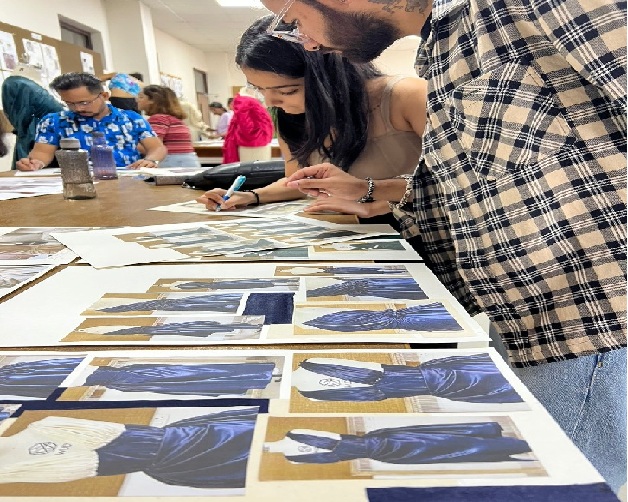
Fashion Design focuses on apparel, textiles, garment development, fashion concepts, visual presentation, and related industry practices. Students may work with materials, silhouettes, construction, trend research, and fashion communication.
Product and Industrial Design
Product and Industrial Design involves developing physical products through user research, ideation, materials, model making, prototyping, usability, and production considerations.
Communication and Graphic Design
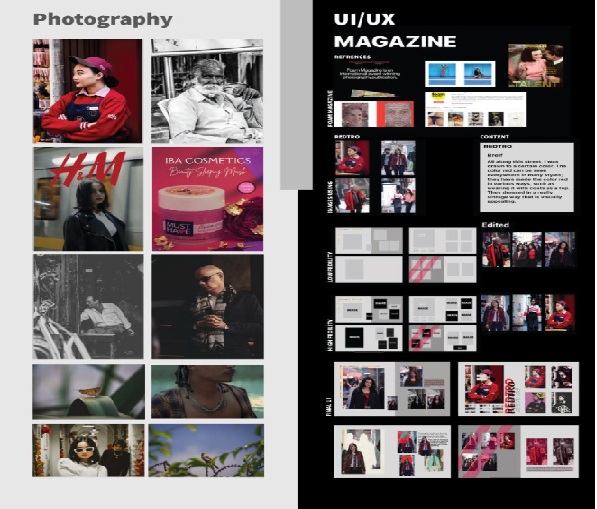
Communication Design focuses on using visual systems to communicate ideas. Areas may include graphic design, typography, branding, publication design, illustration, digital communication, and media.
Interior and Spatial Design
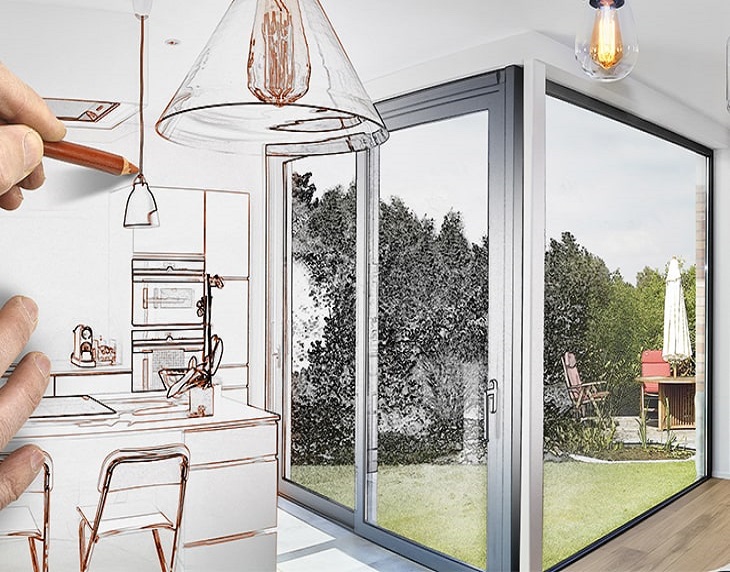
Interior and Spatial Design deals with how people experience spaces. Students may study spatial planning, furniture, materials, lighting, representation, and human interaction with built environments.
Transportation Design
Transportation Design focuses on vehicles and mobility systems. Students study form, function, user needs, sketching, modelling, mobility concepts, and changing transportation technologies.
UX and Digital Product Design
UX and Digital Product Design focuses on digital experiences such as apps, websites, services, and interfaces. Areas can include user research, interaction design, information architecture, prototyping, usability testing, and design systems.
Jewellery and Accessory Design
Jewellery and Accessory Design combines creative concepts with materials, craftsmanship, form, CAD, and product development. Students may work across jewellery, wearable products, accessories, and lifestyle categories.
Animation and Game Design
Animation and Game Design combines storytelling, visual development, motion, character creation, interaction, and digital production. Programme content may include 2D/3D animation, game concepts, modelling, and digital storytelling.
Eligibility for Design Courses After 12th
Design courses eligibility varies by university, course, and entrance route. Most undergraduate programmes require Class 12 or an equivalent qualification, but stream, marks, age limits, entrance tests, and portfolio requirements can differ.
|
Eligibility Factor |
What Students Should Know |
| Educational Qualification | Class 12 or equivalent |
| Stream | Varies by programme and institution |
| Minimum Marks | Institution-specific |
| Age Limit | Depends on institution or entrance exam |
| Entrance Exam | Depends on course and college |
| Portfolio | Required for some programmes or selection stages |
Can Arts Students Pursue Design?
Yes. Many design courses after 12th Arts are open to students who meet the individual institution’s eligibility criteria. Fields such as communication, fashion, interiors, UX, product, and animation may accept Arts/Humanities applicants.
Can Commerce Students Pursue Design?
Yes. Students can pursue many design courses after 12th Commerce. Business understanding can also complement areas such as fashion, branding, UX, communication, retail, and design entrepreneurship.
Can Science Students Pursue Design?
Yes. Several design courses after 12th Science are available. A Science background may also connect naturally with product, industrial, transportation, UX, or technology-oriented design, although it is not required for all such programmes.
Students should always check programme-specific requirements. For example, current UCEED admission rules allow all streams at some participating IITs, while other participating institutes require specific Class 12 science subjects.
Design Entrance Exams After 12th
Entrance requirements differ among colleges, so students should first identify where they want to study. National examinations and university-specific tests may assess creativity, observation, visualisation, logical ability, drawing, or design problem-solving.
|
Entrance Exam |
Relevant Design Education |
| NID DAT | Undergraduate design at NID |
| UCEED | B.Des at participating and result-sharing institutes |
| NIFT Entrance Exam | NIFT design programmes |
| University-Specific Entrance Tests | Institution-specific design programmes |
NID DAT
The National Institute of Design uses the Design Aptitude Test for B.Des admission. The current NID process includes DAT Prelims followed by DAT Mains for shortlisted candidates.
UCEED
The Undergraduate Common Entrance Examination for Design is conducted by IIT Bombay. It provides an admission route to B.Des programmes at participating institutes, while additional result-sharing institutions may use UCEED scores through their own processes.
NIFT Entrance Examination
NIFT uses its own admission process for B.Des programmes. The current framework assesses candidates through CAT and GAT, followed by a Situation Test for shortlisted B.Des applicants.
University-Specific Design Entrance Tests
Many universities conduct their own aptitude tests, interviews, portfolio interactions, or multiple-stage selection processes. Students should not assume that a private or university-specific programme automatically offers admission without assessment.
How to Choose the Right Design Course After 12th
Choosing among design courses after 12th becomes easier when you first identify what you enjoy designing and how you prefer to work. Course content, learning style, practical exposure, and career direction should all be compared.
Identify Your Design Interests
Consider whether you are most interested in:
- Fashion and clothing
- Products and objects
- Spaces and interiors
- Visual communication
- Vehicles and mobility
- Digital experiences
- Jewellery and accessories
- Animation and gaming
Consider Your Skills and Strengths
Useful design abilities include:
- Creativity
- Drawing and visualisation
- Problem-solving
- Communication
- Technical skills
- Observation
- Research
- Collaboration
You do not need to be equally strong in every area before entering design school. Different specialisations develop and use these abilities in different ways.
Compare Curriculum and Learning Approach
Look beyond the course title and review what students actually study.
Check for:
- Design fundamentals
- Studio courses
- Digital tools
- Materials and workshops
- Research methods
- Live projects
- Internships
- Portfolio development
Consider Industry Exposure and Career Opportunities
Review how the programme connects classroom learning with professional practice. Industry projects, internships, competitions, exhibitions, guest sessions, and graduation projects can provide useful exposure before students enter employment.
Why Study Design at World University of Design?
World University of Design (WUD), located in Sonipat in Delhi NCR, focuses on education across creative disciplines including design, fashion, communication, visual arts, architecture, and related areas. Its current undergraduate portfolio includes several four-year B.Des programmes.
Wide Range of Design Disciplines
Current WUD B.Des programmes include:
- Product Design
- Transportation Design
- Interior Architecture & Design
- UX & Digital Product Design
- Fashion Design
- Fashion Communication
- Textile Design
- Graphic Communication Design
- Film & Video
- Animation & Game Design
This allows students to compare multiple design fields within the same university environment.
Studio-Based and Experiential Learning
WUD describes its design education as combining studio practice, emerging technologies, and human-centred approaches. Its programmes emphasise learning through projects and practical design development rather than classroom instruction alone.
Interdisciplinary Creative Environment
Students study within an environment that also includes fashion, communication, architecture, visual arts, business, technology, and performing arts. This can create opportunities to work across disciplines and understand design from different perspectives.
Industry and Professional Exposure
Depending on the programme, students can look for opportunities involving:
- Live projects
- Industry interaction
- Internships
- Exhibitions
- Competitions
- Portfolio development
- Graduation projects
Technology and Contemporary Design Practices
Current WUD programmes include technology-focused areas such as UX and Digital Product Design, which covers user research, interaction design, prototyping, design systems, accessibility, and emerging areas including AI-assisted design and immersive experiences.
Career Options After Design Courses
The design career options after 12th depend on the course selected and the portfolio and practical experience developed during college. Design graduates can work across physical products, digital platforms, fashion, media, interiors, mobility, and creative businesses.
| Design Field |
Career Options |
| Fashion Design | Fashion Designer, Stylist, Textile Designer |
| Product Design | Product Designer, Industrial Designer |
| Communication Design | Graphic Designer, Brand Designer, Art Director |
| Interior Design | Interior Designer, Spatial Designer |
| Transportation Design | Transportation Designer, Mobility Designer |
| UX/Digital Design | UX Designer, UI Designer, Digital Product Designer |
| Jewellery Design | Jewellery Designer, CAD Designer |
| Animation & Game Design | Animator, Game Designer, 3D Artist |
Design and Creative Careers
Graduates can work with design studios, fashion companies, brands, advertising agencies, manufacturers, media organisations, interior practices, and creative consultancies.
Digital and Technology-Driven Careers
Technology has expanded opportunities in UX, UI, interaction design, digital products, animation, games, immersive experiences, and other areas combining design with technology.
Freelancing and Entrepreneurship
Designers may also work independently, offer specialised services, develop products, establish studios, or build creative businesses after developing suitable experience.
Higher Education Opportunities
Graduates can consider:
- M.Des
- Specialised postgraduate programmes
- Design research
- International design education
- Design management or related programmes
Scope of Design Careers in India
The scope of design extends across industries because businesses increasingly need people who can understand users, communicate ideas, develop products, create experiences, and solve practical problems. Career scope varies by specialisation, skills, portfolio quality, and professional experience.
Designers can work across:
- Fashion and lifestyle
- Technology and digital products
- Automotive and mobility
- Advertising and media
- Retail and e-commerce
- Architecture and interiors
- Entertainment and gaming
- Jewellery and luxury
- Creative entrepreneurship
Students should therefore evaluate a course according to the industries and roles connected to that particular design specialisation.
Factors to Consider Before Choosing a Design College
The college you choose can influence your learning environment, practical exposure, portfolio, and professional network. Rather than relying only on rankings, compare the programme in detail.
Check:
- Course curriculum
- Faculty
- Studio facilities
- Workshops and laboratories
- Technology and software
- Industry exposure
- Internships
- Student projects and portfolios
- Alumni network
- Fees and scholarships
- Location
- Career support
Looking at current student work can be particularly useful because it shows how the curriculum translates into actual design projects.
Conclusion
The best design courses after 12th are those that match your interests, strengths, preferred way of working, and long-term career direction. Fashion, product, communication, interior, transportation, UX, jewellery, and animation each involve different types of design problems and professional opportunities.
Before choosing among design courses after 12th in India, compare eligibility, entrance requirements, curriculum, studios, practical projects, industry exposure, portfolio development, and career pathways. A thoughtful course selection gives you a clearer foundation for building the design skills and portfolio needed for your chosen field.
Frequently Asked Questions
Popular options include Fashion Design, Product Design, Communication Design, Interior Design, Transportation Design, UX/Digital Product Design, Jewellery Design, and Animation & Game Design. The right course depends on your interests and career goals.
Yes. Many design programmes accept students from Arts, Commerce, and Science backgrounds, although individual institutions or entrance routes may have subject-specific requirements.
Most undergraduate design programmes require Class 12 or an equivalent qualification. Minimum marks, stream, age requirements, entrance exams, and portfolios vary by institution.
Major entrance routes include NID DAT, UCEED, NIFT, and university-specific design aptitude tests. The required test depends on the college and programme.
Career options can include fashion, product, graphic, communication, interior, transportation, UX/UI, jewellery, animation, game, and other specialised design roles.
Start with your design interests, then compare curriculum, practical learning, tools, specialisations, industry exposure, student portfolios, and career options before selecting a course.
Explore Our Programmes
B.Des in Communication Design
Explore visual storytelling for brands, media
and digital platforms.
Bachelor of Architecture (B.Arch)
Council of Architecture approved 5-year
studio curriculum.