Transportation Design: Courses, Career and Scope in India
- By WUD Editorial Team
- November 11, 2026
Transportation is evolving rapidly, from electric vehicles and connected cars to shared mobility and new urban transport solutions. This evolution has expanded the role of design in shaping how people move. Transportation design brings together creativity, technology, functionality and user experience to create vehicles and mobility solutions for changing needs.
For students considering a transportation design course after 12th, understanding the courses, skills, career options and transportation design scope in India can help them make an informed choice.
What Is Transportation Design?
Transportation design focuses on designing vehicles and mobility products with a focus on form, function, ergonomics, usability, and user experience. A transportation designer may work on everything from a vehicle’s overall form and interiors to interfaces and future mobility concepts.
Unlike automotive engineering, which focuses on the technical systems and performance of a vehicle, transportation design focuses on how a vehicle looks, functions, and feels to the user. It combines creative thinking with design research, technology, ergonomics, and problem-solving.
The field extends beyond cars to motorcycles, bicycles, commercial vehicles, public transport, electric vehicles, and future mobility concepts.
What Does a Transportation Designer Do?
Transportation design combines research, creativity, digital tools, and physical prototyping. A typical design process includes:
Research and Trend Analysis
Designers study users, mobility behaviour, market trends, technologies, and cultural changes to identify opportunities for new vehicles and mobility concepts.
Sketching and Concept Development
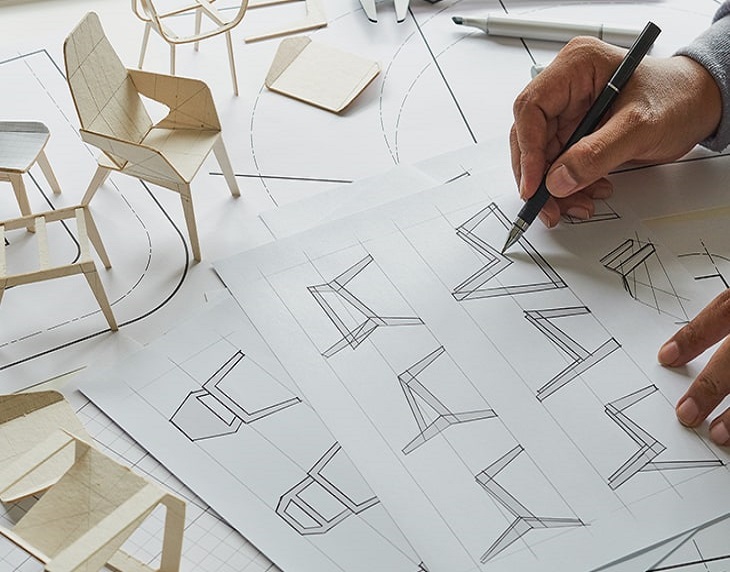
Ideas are translated into sketches while designers explore proportions, forms, features, and different design directions.
Digital Modelling and Visualisation
Digital tools are used to develop 3D models, surfaces, and visualisations, helping designers refine and communicate concepts.
Clay Modelling and Prototyping
Physical models help designers evaluate proportions, surfaces, and ergonomics, while prototypes allow concepts to be tested and refined.
Collaboration and Design Development
Designers work with engineers, researchers, manufacturers, and other professionals to balance aesthetics, usability, technology, and feasibility.
Transportation Design Courses in India
Students interested in transportation design can explore undergraduate programmes such as a B.Des in transportation design or related design programmes with mobility-focused learning. These programmes typically combine design studios with visualisation, modelling, materials, and design research.
Undergraduate Transportation Design Courses
A transportation design degree at the undergraduate level generally takes around three to four years, depending on the programme and institution. Students typically learn through design studios, projects, and hands-on exercises.
Eligibility generally begins after Class 12, although admission criteria, entrance requirements and portfolio expectations vary between institutions.
What Do You Study in a Transportation Design Course?
A transportation design course combines creative, technical, and practical learning. Students may study:
- Design Fundamentals and Transportation Design Studios: Learn principles of form, proportion, composition and functionality through hands-on projects.
- Sketching, Visualisation and Vehicle Form Development: Develop the ability to sketch ideas, explore proportions, and communicate concepts visually.
- Materials, Manufacturing and Automotive Technology: Understand materials, manufacturing processes and basic automotive technologies behind vehicle design.
- Digital Modelling and 3D Visualisation: Create and refine digital vehicle models and 3D visualisations for concept development and presentation.
- Ergonomics and User-Centered Design: Explore comfort, usability and how vehicles respond to human needs and interactions.
- Design Research and Trend Analysis: Study users, mobility behaviour, market trends, and emerging design directions.
- Mobility, Sustainability and Future Transportation: Explore electric mobility, sustainable design and emerging transportation concepts.
Transportation Design Course After 12th
Students can pursue relevant undergraduate design programmes after Class 12, subject to the institution’s eligibility and admission requirements. Depending on the programme, admission may involve an entrance examination, creative aptitude assessment, interview, or portfolio.
Students from science, commerce or humanities backgrounds may be eligible, depending on the institution. Drawing, observation, and creative problem-solving can be valuable, while portfolio requirements vary by programme.
Skills Required for Transportation Design
A successful transportation designer needs a combination of creative, technical and problem-solving skills:
- Sketching and Drawing: Communicate vehicle ideas, forms and concepts through hand-drawn sketches.
- 3D Visualisation and Digital Modelling: Develop and refine vehicle concepts using digital tools.
- Creative and Design Thinking: Generate ideas while approaching design challenges from a user-focused perspective.
- Spatial Understanding: Understand proportions, dimensions, and how elements come together within a vehicle.
- Problem-Solving and Observation: Identify user needs and design challenges through careful observation.
- Form and Proportion: Understand how shapes, surfaces and volumes work together to create balanced designs.
- Research and Trend Analysis: Study users, technology, mobility trends and changing preferences.
- Presentation and Collaboration: Communicate ideas clearly and work effectively with designers, engineers, and industry professionals.
You do not need to be an expert car designer before entering a transportation design course. These skills are developed progressively through studio projects, practice, feedback, and exposure to different design processes.
Career Options in Transportation Design
A transportation design education can lead to diverse roles across automotive and emerging mobility sectors.
Automotive Designer
Automotive designers work on exterior vehicle design, styling, proportions and form development, translating concepts into distinctive vehicle designs.
Interior / Mobility Experience Designer
These designers focus on vehicle interiors, seating, spatial experience, controls, interfaces, and the overall user experience inside a vehicle.
Motorcycle and Two-Wheeler Designer
This role involves developing motorcycle and two-wheeler concepts while considering styling, ergonomics, proportions and rider experience.
Transportation Concept Designer
Concept designers explore future mobility ideas, including electric vehicles, autonomous mobility and alternative transportation systems.
3D Modeller / Digital Visualisation Artist
These professionals create digital vehicle models, renderings, and visualisations to communicate and present design concepts.
Mobility Design Researcher
Mobility design researchers study users, mobility trends, sustainability, and emerging transportation systems to inform future design decisions.
Design Consultant / Independent Designer
Designers can eventually work independently on concept development, freelance projects, brand collaborations, and mobility design assignments.
Scope of Transportation Design in India
The transportation design scope in India is expanding as mobility needs, technologies and consumer expectations evolve.
Electric and Sustainable Mobility
The growth of electric vehicles, electric two-wheelers and electric commercial vehicles is creating opportunities to rethink vehicle architecture, user experience and sustainable mobility solutions.
Growth of the Automotive Industry
India’s passenger vehicle, two-wheeler and commercial vehicle sectors create opportunities for designers. Automotive components and related industries also require design expertise across products and experiences.
New Mobility Solutions
Connected vehicles, shared mobility, autonomous technologies, smart transportation and urban mobility solutions are opening up new areas for transportation designers beyond conventional vehicle styling.
Opportunities Beyond Traditional Automotive Design
Transportation design skills can also be applied to public transportation, micromobility, mobility services, recreational vehicles, marine products, and other transportation-related products.
Why Study Transportation Design at WUD?
WUD’s Transportation Design programme focuses on developing designers who can respond to evolving vehicles and mobility needs through creative, technical and user-centered approaches.
Specialised Transportation Design Education
The programme focuses on vehicle and mobility design while helping students develop creative and technical design skills through structured design education.
Studio-Based and Practical Learning
Students learn through design studios, hands-on projects, sketching, concept development, model-making, and prototyping, allowing them to develop and refine ideas through an iterative process.
Digital Design and Emerging Technologies
The programme incorporates digital modelling, visualisation and contemporary design tools while exposing students to emerging technologies shaping mobility.
Focus on Future Mobility
Electric mobility, sustainable transportation, user-centered mobility, and future transportation concepts encourage students to think beyond conventional vehicle design.
Industry and Professional Exposure
Industry projects, workshops, guest sessions, internships, and professional feedback can help students understand real-world design practices while building a strong portfolio.
Career Opportunities After the Programme
Graduates can explore roles such as Transportation Designer, Automotive Designer, Mobility Designer, Vehicle Interior Designer, 3D Visualisation Artist and Design Researcher.
Transportation Design vs Automotive Engineering
|
Transportation Design |
Automotive Engineering |
| Focuses on vehicle design and experience | Focuses on engineering and technical systems |
| Form, aesthetics and usability | Mechanical and technical performance |
| Sketching, modelling and visualisation | Engineering, mechanics and testing |
| User experience and design | Vehicle systems and technology |
| Creative/design-oriented careers | Engineering-oriented careers |
While the two fields often work closely together, their primary areas of focus are different.
Is Transportation Design a Good Career in India?
Yes, transportation design can be a promising career for students interested in vehicles, mobility, creativity, and technology. The growth of electric and sustainable mobility connected vehicles and new transportation systems is creating opportunities beyond traditional automotive design.
However, a degree alone does not determine career growth. A strong portfolio, digital skills, practical experience, specialisation and industry exposure can significantly influence a designer’s opportunities and progression.
Conclusion
Transportation design combines creativity, technology, and problem-solving to shape how people move. From automotive and two-wheeler design to electric vehicles and future mobility, the field continues to evolve. For students considering a transportation design course after 12th, choosing a practice-oriented programme and continuously developing their portfolio and skills can provide a strong foundation for a career in mobility design.
Frequently Asked Questions
Transportation design focuses on designing vehicles and mobility products by combining form, functionality, ergonomics, technology and user experience.
A specialised undergraduate programme such as a B.Des in Transportation Design can provide focused learning in vehicle design, sketching, modelling, visualisation, ergonomics and mobility.
Yes. Students can pursue relevant undergraduate transportation or design programmes after Class 12, subject to the eligibility and admission requirements of the institution.
Career options include Transportation Designer, Automotive Designer, Mobility Designer, Vehicle Interior Designer, Motorcycle Designer, 3D Visualisation Artist, Mobility Design Researcher and independent design consultant.
Transportation design offers opportunities across automotive, electric mobility, two-wheelers, commercial vehicles, public transportation, micromobility, connected mobility, and emerging transportation sectors.
Explore Our Programmes
B.Des in Communication Design
Explore visual storytelling for brands, media
and digital platforms.
Bachelor of Architecture (B.Arch)
Council of Architecture approved 5-year
studio curriculum.